
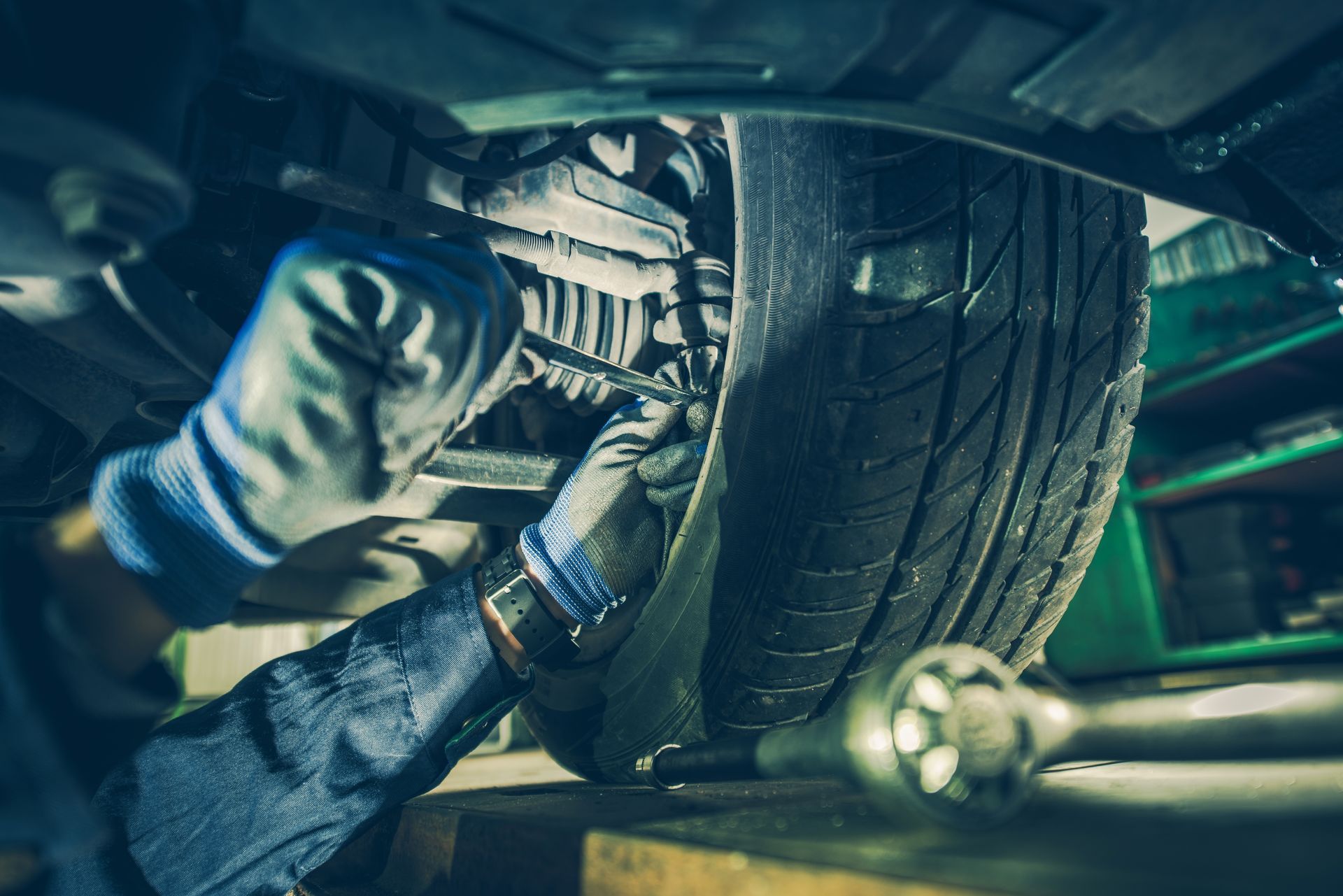
Every driver knows the feeling. You are cruising down the road, maybe heading to work or running errands, when suddenly your car hits a pothole you did not see coming. There is a loud thud, your steering wheel jolts, and for a moment you wonder if everything is still okay. That single impact might seem harmless at first. After all, your car kept moving. But what many drivers do not realize is that potholes are one of the fastest ways to damage your vehicle’s suspension system. And once your suspension starts to wear down, the effects go far beyond comfort. Your safety, handling, and even your tire life are all at risk. Let’s break down how potholes affect your suspension and the five most common signs that it is time to have a professional take a closer look. Why Potholes Are So Hard on Your Car Your suspension system is designed to absorb shocks and keep your tires firmly planted on the road. It includes components like shocks, struts, control arms, bushings, and springs. Together, these parts help your vehicle stay stable, smooth, and predictable. When you hit a pothole, all of that force gets transferred directly into those components. A deep pothole or repeated impacts can: Bend or damage suspension parts Knock your wheels out of alignment Accelerate wear on shocks and struts Cause uneven tire wear Loosen or crack critical components Even if you drive a reliable Honda, Acura, Toyota, or Lexus, no vehicle is immune to road damage. Over time, even minor hits can add up. Sign 1: Your Car Pulls to One Side If your vehicle suddenly starts drifting or pulling to one side while driving straight, that is one of the clearest signs that something is off. This often points to an alignment issue caused by a pothole impact. When your wheels are no longer aligned properly, your car cannot track straight the way it was designed to. But here is the important part. Alignment issues are sometimes just the surface problem. The real issue could be worn or damaged suspension components underneath. If you find yourself constantly correcting the steering wheel to stay in your lane, it is time to have your vehicle inspected before it gets worse. Sign 2: You Feel Every Bump in the Road A healthy suspension system absorbs road imperfections so you do not have to feel them. If your ride suddenly becomes rough or bouncy, your shocks or struts may be worn out or damaged. Instead of smoothing out bumps, your car may: Bounce excessively after hitting a bump Feel stiff and uncomfortable Transfer every crack and dip directly into the cabin This is not just about comfort. When your suspension cannot properly absorb impacts, your tires lose consistent contact with the road. That means less traction, reduced control, and longer stopping distances. At Wallace Automotive, we often remind drivers that a rough ride is your car asking for help. Ignoring it can lead to more expensive repairs down the road. Sign 3: Uneven or Rapid Tire Wear Take a look at your tires. Are they wearing down evenly across the surface, or do you notice bald spots, uneven edges, or unusual patterns? Uneven tire wear is often tied to suspension or alignment problems. When your suspension is not holding your wheels in the correct position, your tires cannot make proper contact with the road. This leads to: Faster tire wear Reduced fuel efficiency Less grip, especially in wet conditions Replacing tires is expensive. Addressing the underlying suspension issue early can save you a significant amount of money and extend the life of your tires. Sign 4: Steering Feels Loose or Unstable Your steering should feel responsive and predictable. If it starts to feel loose, vague, or unstable, your suspension system could be the culprit. You might notice: Excessive play in the steering wheel Difficulty keeping the car straight A feeling that the car is “floating” or wandering These symptoms often point to worn suspension components like tie rods, ball joints, or bushings. Driving with unstable steering is not something to take lightly. It affects your ability to react quickly and safely, especially in emergency situations. Sign 5: Clunking, Knocking, or Strange Noises Cars are not supposed to make loud clunking or knocking noises when going over bumps. If you hear unusual sounds coming from underneath your vehicle, it is a strong indication that something is loose or damaged. Common causes include: Worn bushings Damaged control arms Failing shocks or struts Loose suspension components These noises tend to get worse over time, not better. What starts as a minor sound can turn into a serious mechanical issue if left unchecked. Why You Should Not Wait It is easy to ignore these signs, especially if your car still feels “drivable.” But suspension issues rarely fix themselves. In fact, they tend to create a chain reaction of problems. A small issue today can lead to: Premature tire replacement Reduced braking performance Increased wear on other components Higher repair costs later More importantly, a compromised suspension system affects your safety. Your ability to steer, stop, and maintain control all depend on it. How to Protect Your Suspension Moving Forward While you cannot avoid every pothole, there are ways to reduce the impact they have on your vehicle. Drive cautiously on rough roads. Slowing down before hitting a pothole can significantly reduce the force of impact. Keep your tires properly inflated. Underinflated tires are more vulnerable to damage and transfer more stress to your suspension. Avoid overloading your vehicle. Extra weight increases the strain on your suspension system. Stay up to date on maintenance. Regular inspections can catch small issues before they become big problems. Taking these steps can help extend the life of your suspension and keep your ride smooth and safe. Ready to Get Your Car Checked? If you have noticed any of these warning signs, now is the time to act. Pothole season does not wait, and neither should you. Call Wallace Automotive today or book your appointment online to have your suspension inspected by Richmond’s most trusted auto repair team. With two convenient locations and a reputation built on honesty and quality, you can feel confident knowing your car is in the right hands. Do not wait until a small issue turns into a costly repair. Let our team help you restore your vehicle’s performance, comfort, and safety so you can get back on the road with confidence.
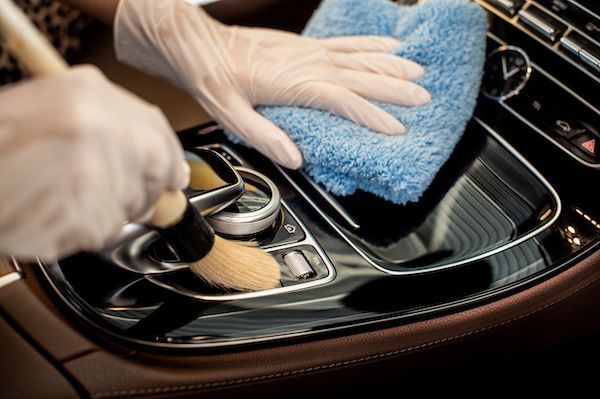
For many drivers, spring car care begins and ends with a quick wash. Maybe you vacuum the interior, wipe down the dashboard, and call it a day. It looks better, smells better, and feels like a job well done. But here’s the reality. A simple wash might make your vehicle look clean, but it does not address what your car actually went through over the past few months. Winter driving leaves behind a hidden layer of wear and tear that cannot be rinsed away with soap and water. If you really want to protect your vehicle, extend its life, and keep it running smoothly, your car needs a deeper kind of spring cleaning. Let’s take a closer look at what that really means and why it matters more than most drivers realize. What Winter Leaves Behind Even if you are a careful driver, winter is tough on every part of your vehicle. Cold temperatures can thicken fluids, reduce battery efficiency, and put extra strain on your engine. Roads covered in salt, sand, and grime create a harsh environment for your undercarriage. Potholes and rough road conditions quietly take a toll on your suspension and alignment. By the time spring arrives, your car has been through months of stress. And while a car wash removes surface dirt, it does not fix the hidden damage or buildup underneath. That is why a proper spring reset is not just about appearance. It is about making sure your vehicle is still safe, efficient, and reliable after everything winter threw at it. Start with the Undercarriage If there is one area most drivers overlook, it is the underside of their vehicle. During winter, road salt and moisture collect underneath your car. This combination is one of the leading causes of rust and corrosion. Left untreated, it can weaken important components like your exhaust system, brake lines, and suspension parts. A thorough undercarriage cleaning removes this buildup and helps prevent long-term damage. It is one of the most important steps in spring maintenance, yet it is rarely done properly outside of a professional setting. Check and Refresh Your Fluids Your vehicle relies on a variety of fluids to operate correctly, and winter conditions can degrade many of them. Spring is the perfect time to check and top off or replace: Engine oil Coolant Brake fluid Transmission fluid Power steering fluid Windshield washer fluid Fluids break down over time, especially when exposed to temperature extremes. Dirty or low fluids reduce performance and increase wear on internal components. A quick inspection can prevent bigger problems later and ensure your car is ready for warmer driving conditions. Inspect Your Tires Closely Most drivers know they should switch from winter tires to all-season or summer tires in the spring. But the job does not end there. Your tires should also be carefully inspected for: Uneven wear patterns Cracks or sidewall damage Low tread depth Improper inflation Uneven wear, in particular, can point to deeper issues like misalignment or suspension problems. If left unaddressed, these issues can shorten tire life and affect how your car handles on the road. Spring is also an ideal time to check your wheel alignment. After months of hitting potholes and rough surfaces, there is a good chance your alignment is no longer where it should be. Give Your Brakes the Attention They Deserve Your braking system works harder in winter than almost any other time of year. Slippery roads mean more frequent braking, and moisture can accelerate wear on brake components. As part of your spring cleaning routine, your brakes should be inspected for: Worn brake pads Rusted rotors Reduced braking performance Unusual noises or vibrations Ignoring brake issues is never a good idea. What starts as a minor concern can quickly turn into a safety risk. A professional inspection ensures your braking system is ready for the demands of everyday driving. Do Not Forget Your Battery Cold weather is one of the biggest enemies of your car battery. Even if your vehicle started fine all winter, that does not mean your battery is in good shape. Spring is the time to test your battery’s health and check for: Weak charge Corroded terminals Loose connections A failing battery often gives little warning before it dies completely. Testing it now can save you from getting stranded later. Replace Filters for Cleaner Air and Better Performance Your vehicle has several filters that play an important role in performance and comfort. Over the winter, these filters can become clogged with dirt, debris, and contaminants. Spring is the ideal time to replace: Engine air filter Cabin air filter A clean engine air filter helps your engine run more efficiently, while a fresh cabin air filter improves the air you breathe inside your car. It is a small step that can make a noticeable difference. Pay Attention to Your Suspension and Steering If your car feels different after winter, you are not imagining it. Rough roads and potholes can affect your suspension and steering components, leading to: A rough or bumpy ride Poor handling Uneven tire wear Steering that feels off center These issues often develop gradually, making them easy to ignore. But over time, they can impact both safety and driving comfort. A spring inspection helps catch these problems early and keeps your vehicle driving the way it should. Clean the Interior the Right Way While mechanical maintenance is critical, your interior deserves attention too. Winter brings in moisture, salt, and dirt that can damage carpets and upholstery. A proper interior cleaning should include: Deep vacuuming Carpet and upholstery cleaning Wiping down surfaces with appropriate cleaners Conditioning leather, if applicable This not only improves appearance but also helps preserve the materials inside your car. Check Your Heating and Cooling Systems You relied on your heater all winter, but now it is time to make sure your air conditioning system is ready for warmer weather. Spring is the perfect time to: Test your AC performance Check for weak airflow Inspect for unusual smells Ensure proper refrigerant levels Catching issues early can prevent discomfort later when temperatures rise. Give Your Car the Care It Actually Needs If your vehicle has only had a basic wash so far this spring, now is the time to go further. At Wallace Automotive, drivers in the Richmond community have trusted us since 1996 for exactly this kind of care. With a reputation for honest service, and a team that treats every customer like family, we go beyond surface-level fixes to keep your car running at its best. Whether you drive a Honda, Acura, Toyota, Lexus, or another make, our technicians are equipped to handle everything from preventative maintenance to in-depth diagnostics. With two convenient locations and a commitment to clear communication, we make it easy to give your car the attention it deserves. If you want peace of mind heading into the warmer months, do not settle for a quick wash. Schedule a comprehensive spring inspection with Wallace Automotive today and make sure your vehicle is truly ready for the road ahead.
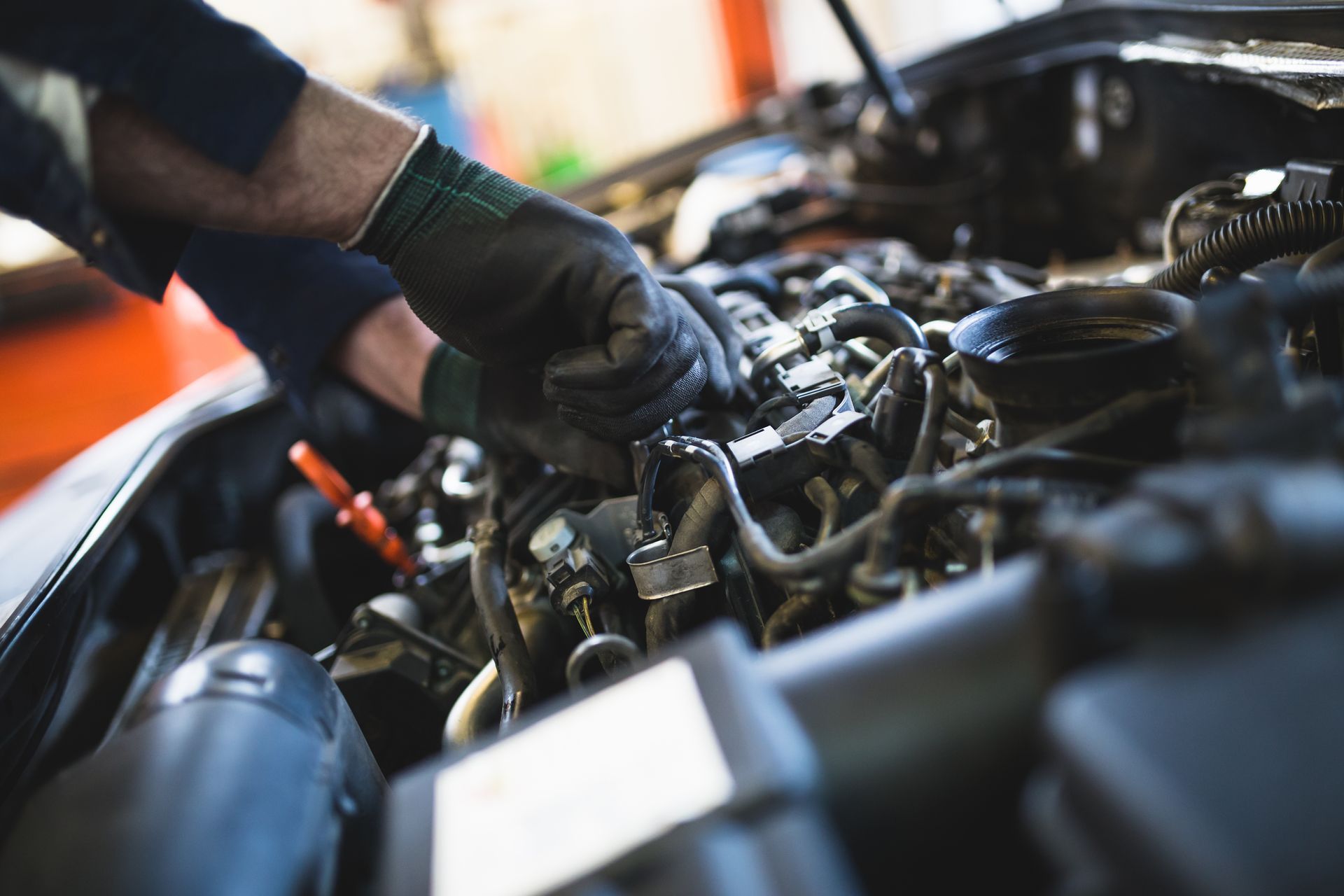
Luxury, comfort, smooth performance, and long-term reliability are some of the reasons drivers choose a Lexus. These vehicles are engineered with exceptional precision and backed by the legendary reliability of Toyota. Many Lexus models easily reach 200,000 miles or more when they are properly maintained. But that reliability is not automatic. Even the most well-engineered vehicle depends on consistent care and attention. Small maintenance habits can make the difference between a Lexus that runs beautifully for decades and one that develops expensive problems much earlier than expected. Understanding the key maintenance practices that protect long-term reliability will help you keep your Lexus performing like the luxury vehicle it was designed to be. Why Lexus Vehicles Last So Long Before diving into the maintenance secrets, it helps to understand why Lexus vehicles have such an excellent reputation. Engineers design Lexus models with tight tolerances, durable components, and refined powertrains. From engines and transmissions to suspension systems and electronics, the focus is always on longevity and smooth operation. However, these finely tuned systems depend on clean fluids, healthy components, and proper adjustments. Over time, wear naturally occurs. Maintenance ensures that this wear does not turn into bigger problems. Skipping maintenance might not cause immediate issues. But over thousands of miles, neglected services begin to affect reliability, fuel economy, and performance. The following maintenance habits help protect the qualities Lexus vehicles are known for. Regular Oil Changes Are More Important Than You Think Engine oil is the lifeblood of any vehicle. In Lexus engines, it plays an especially important role because these engines are designed with tight internal tolerances for efficiency and smooth performance. Oil performs several essential functions: Lubricates moving parts Reduces friction and heat Removes contaminants Protects internal components from wear Over time, oil breaks down and collects debris from normal engine operation. When oil becomes dirty or degraded, it cannot protect engine components effectively. Routine oil service is one of the simplest and most effective ways to protect long-term engine reliability. Transmission Service Can Help Prevent Major Repairs Your Lexus transmission delivers the smooth, seamless shifts that luxury drivers expect. But inside the transmission, dozens of moving components rely on clean transmission fluid. Transmission fluid performs several critical functions: Lubricating gears and bearings Cooling internal components Providing hydraulic pressure for shifting Over time, fluid begins to degrade and lose its protective properties. Contaminants from normal wear can also build up in the fluid. Some drivers assume transmission fluid lasts forever, especially if their vehicle has a sealed transmission system. In reality, periodic fluid service helps extend transmission life and prevent costly failures. Regular inspections allow technicians to monitor fluid condition and recommend service before problems develop. Cooling System Care Protects the Engine Modern Lexus engines run efficiently but also generate significant heat. The cooling system keeps engine temperatures within a safe operating range. Key cooling system components include: Radiator Water pump Thermostat Coolant hoses Engine coolant Coolant circulates through the engine and radiator, carrying heat away from critical components. Over time, coolant breaks down and loses its corrosion protection. Old coolant can allow internal rust or scale to form inside the cooling system. This can lead to overheating, water pump damage, or clogged radiator passages. Regular coolant service helps protect these components and keeps the engine operating at the proper temperature. If a cooling issue develops, it is important to address it quickly. Even one overheating incident can cause serious engine damage. Timing Belt Maintenance Can Prevent Catastrophic Damage Some Lexus engines use a timing belt to synchronize the rotation of the crankshaft and camshaft. This precise timing allows the engine valves and pistons to move in perfect coordination. However, timing belts wear gradually over time. If the belt fails while the engine is running, serious internal damage can occur. Most Lexus timing belts require replacement between 60,000 and 100,000 miles, depending on the model. Replacing the belt at the recommended interval prevents unexpected failure. During timing belt service, technicians often inspect related components such as the water pump, tensioners, and pulleys. Replacing worn parts during the same service can prevent additional repairs later. Brake System Inspections Can Keep Your Lexus Safe Lexus vehicles are known for quiet, responsive braking. This performance depends on properly functioning brake components. Key brake system parts include: Brake pads Brake rotors Brake calipers Brake fluid Brake pads naturally wear down with use. Over time, they must be replaced to maintain safe stopping performance. Waiting too long can damage the rotors, increasing repair costs. Brake fluid is also important. It absorbs moisture over time, which can reduce braking efficiency and contribute to corrosion inside the braking system. Routine brake inspections ensure that pads, rotors, and fluid remain in good condition. Catching wear early keeps the braking system operating safely and smoothly. Preventative Maintenance Protects Long-Term Value Lexus vehicles hold their value extremely well compared to many other luxury brands. One major reason is their reputation for reliability. However, that reputation depends heavily on consistent maintenance. Keeping up with preventative services provides several long-term benefits: Improved reliability Better fuel efficiency Reduced repair costs Higher resale value Better driving experience Maintaining service records also helps document that the vehicle has been properly cared for, which can make a big difference if you decide to sell or trade it later. Preventative maintenance is always less expensive than major repairs. Choosing the Right Repair Shop Matters Lexus vehicles require technicians who understand their engineering and service requirements. Specialized knowledge helps ensure that maintenance and repairs are performed correctly. From engine diagnostics to suspension adjustments, experienced technicians know how to keep Lexus systems operating at peak performance. Drivers in the Richmond area trust Wallace Automotive for expert service and honest advice. Since 1996, their team has helped thousands of customers keep their vehicles safe, reliable, and running smoothly. If your Lexus is due for service or if you simply want a professional inspection to ensure everything is operating correctly, the experienced team at Wallace Automotive is ready to help. Schedule your appointment with Wallace Automotive today and give your Lexus the expert care it deserves so it can continue delivering the reliability, comfort, and performance that made you choose it in the first place.