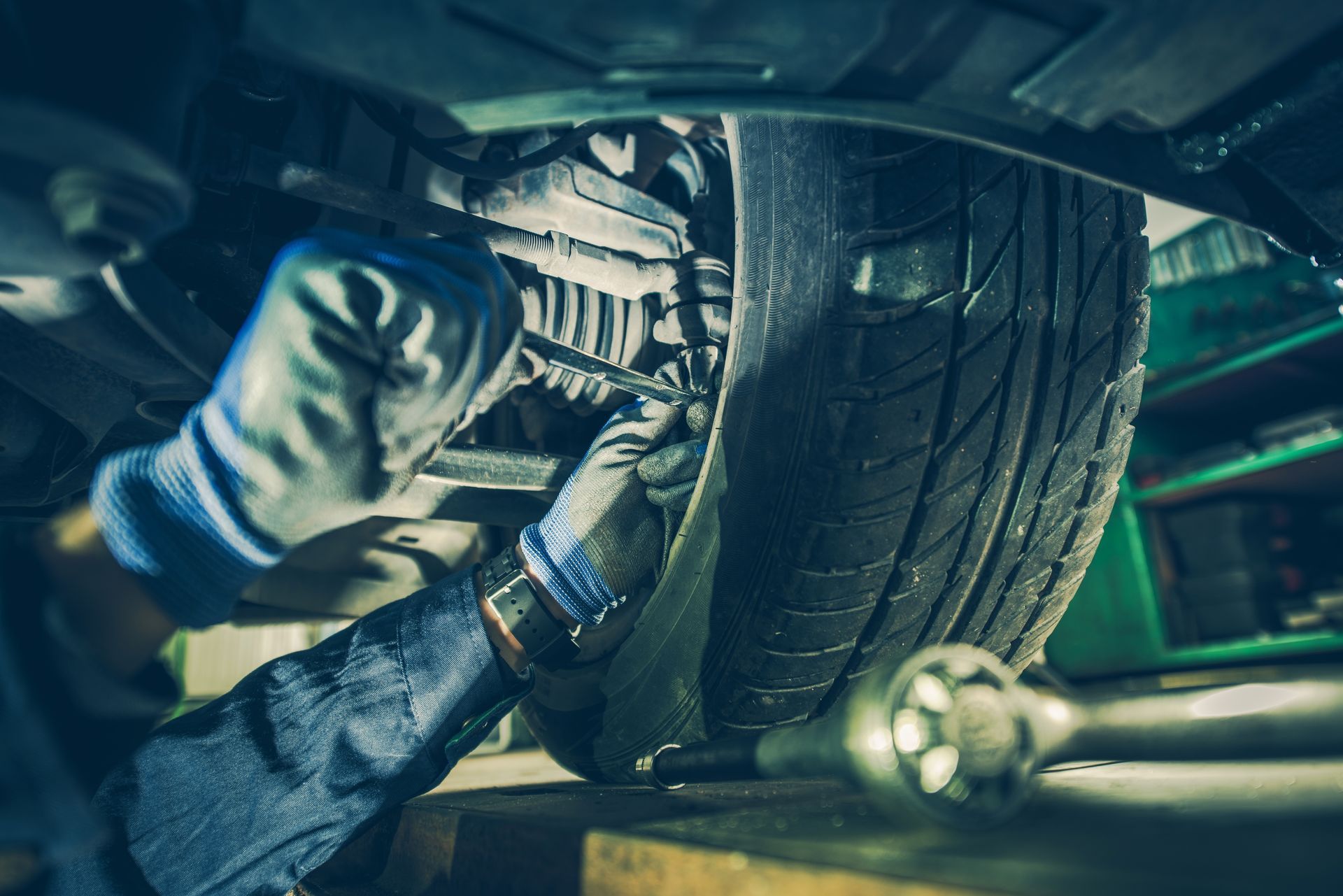
Every driver knows the feeling. You are cruising down the road, maybe heading to work or running errands, when suddenly your car hits a pothole you did not see coming. There is a loud thud, your steering wheel jolts, and for a moment you wonder if everything is still okay. That single impact might seem harmless at first. After all, your car kept moving. But what many drivers do not realize is that potholes are one of the fastest ways to damage your vehicle’s suspension system. And once your suspension starts to wear down, the effects go far beyond comfort. Your safety, handling, and even your tire life are all at risk. Let’s break down how potholes affect your suspension and the five most common signs that it is time to have a professional take a closer look. Why Potholes Are So Hard on Your Car Your suspension system is designed to absorb shocks and keep your tires firmly planted on the road. It includes components like shocks, struts, control arms, bushings, and springs. Together, these parts help your vehicle stay stable, smooth, and predictable. When you hit a pothole, all of that force gets transferred directly into those components. A deep pothole or repeated impacts can: Bend or damage suspension parts Knock your wheels out of alignment Accelerate wear on shocks and struts Cause uneven tire wear Loosen or crack critical components Even if you drive a reliable Honda, Acura, Toyota, or Lexus, no vehicle is immune to road damage. Over time, even minor hits can add up. Sign 1: Your Car Pulls to One Side If your vehicle suddenly starts drifting or pulling to one side while driving straight, that is one of the clearest signs that something is off. This often points to an alignment issue caused by a pothole impact. When your wheels are no longer aligned properly, your car cannot track straight the way it was designed to. But here is the important part. Alignment issues are sometimes just the surface problem. The real issue could be worn or damaged suspension components underneath. If you find yourself constantly correcting the steering wheel to stay in your lane, it is time to have your vehicle inspected before it gets worse. Sign 2: You Feel Every Bump in the Road A healthy suspension system absorbs road imperfections so you do not have to feel them. If your ride suddenly becomes rough or bouncy, your shocks or struts may be worn out or damaged. Instead of smoothing out bumps, your car may: Bounce excessively after hitting a bump Feel stiff and uncomfortable Transfer every crack and dip directly into the cabin This is not just about comfort. When your suspension cannot properly absorb impacts, your tires lose consistent contact with the road. That means less traction, reduced control, and longer stopping distances. At Wallace Automotive, we often remind drivers that a rough ride is your car asking for help. Ignoring it can lead to more expensive repairs down the road. Sign 3: Uneven or Rapid Tire Wear Take a look at your tires. Are they wearing down evenly across the surface, or do you notice bald spots, uneven edges, or unusual patterns? Uneven tire wear is often tied to suspension or alignment problems. When your suspension is not holding your wheels in the correct position, your tires cannot make proper contact with the road. This leads to: Faster tire wear Reduced fuel efficiency Less grip, especially in wet conditions Replacing tires is expensive. Addressing the underlying suspension issue early can save you a significant amount of money and extend the life of your tires. Sign 4: Steering Feels Loose or Unstable Your steering should feel responsive and predictable. If it starts to feel loose, vague, or unstable, your suspension system could be the culprit. You might notice: Excessive play in the steering wheel Difficulty keeping the car straight A feeling that the car is “floating” or wandering These symptoms often point to worn suspension components like tie rods, ball joints, or bushings. Driving with unstable steering is not something to take lightly. It affects your ability to react quickly and safely, especially in emergency situations. Sign 5: Clunking, Knocking, or Strange Noises Cars are not supposed to make loud clunking or knocking noises when going over bumps. If you hear unusual sounds coming from underneath your vehicle, it is a strong indication that something is loose or damaged. Common causes include: Worn bushings Damaged control arms Failing shocks or struts Loose suspension components These noises tend to get worse over time, not better. What starts as a minor sound can turn into a serious mechanical issue if left unchecked. Why You Should Not Wait It is easy to ignore these signs, especially if your car still feels “drivable.” But suspension issues rarely fix themselves. In fact, they tend to create a chain reaction of problems. A small issue today can lead to: Premature tire replacement Reduced braking performance Increased wear on other components Higher repair costs later More importantly, a compromised suspension system affects your safety. Your ability to steer, stop, and maintain control all depend on it. How to Protect Your Suspension Moving Forward While you cannot avoid every pothole, there are ways to reduce the impact they have on your vehicle. Drive cautiously on rough roads. Slowing down before hitting a pothole can significantly reduce the force of impact. Keep your tires properly inflated. Underinflated tires are more vulnerable to damage and transfer more stress to your suspension. Avoid overloading your vehicle. Extra weight increases the strain on your suspension system. Stay up to date on maintenance. Regular inspections can catch small issues before they become big problems. Taking these steps can help extend the life of your suspension and keep your ride smooth and safe. Ready to Get Your Car Checked? If you have noticed any of these warning signs, now is the time to act. Pothole season does not wait, and neither should you. Call Wallace Automotive today or book your appointment online to have your suspension inspected by Richmond’s most trusted auto repair team. With two convenient locations and a reputation built on honesty and quality, you can feel confident knowing your car is in the right hands. Do not wait until a small issue turns into a costly repair. Let our team help you restore your vehicle’s performance, comfort, and safety so you can get back on the road with confidence.
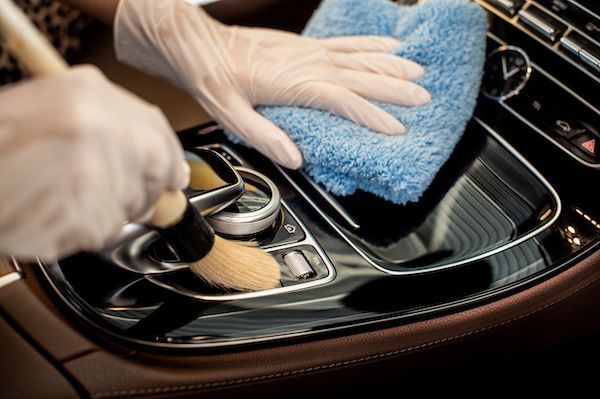
For many drivers, spring car care begins and ends with a quick wash. Maybe you vacuum the interior, wipe down the dashboard, and call it a day. It looks better, smells better, and feels like a job well done. But here’s the reality. A simple wash might make your vehicle look clean, but it does not address what your car actually went through over the past few months. Winter driving leaves behind a hidden layer of wear and tear that cannot be rinsed away with soap and water. If you really want to protect your vehicle, extend its life, and keep it running smoothly, your car needs a deeper kind of spring cleaning. Let’s take a closer look at what that really means and why it matters more than most drivers realize. What Winter Leaves Behind Even if you are a careful driver, winter is tough on every part of your vehicle. Cold temperatures can thicken fluids, reduce battery efficiency, and put extra strain on your engine. Roads covered in salt, sand, and grime create a harsh environment for your undercarriage. Potholes and rough road conditions quietly take a toll on your suspension and alignment. By the time spring arrives, your car has been through months of stress. And while a car wash removes surface dirt, it does not fix the hidden damage or buildup underneath. That is why a proper spring reset is not just about appearance. It is about making sure your vehicle is still safe, efficient, and reliable after everything winter threw at it. Start with the Undercarriage If there is one area most drivers overlook, it is the underside of their vehicle. During winter, road salt and moisture collect underneath your car. This combination is one of the leading causes of rust and corrosion. Left untreated, it can weaken important components like your exhaust system, brake lines, and suspension parts. A thorough undercarriage cleaning removes this buildup and helps prevent long-term damage. It is one of the most important steps in spring maintenance, yet it is rarely done properly outside of a professional setting. Check and Refresh Your Fluids Your vehicle relies on a variety of fluids to operate correctly, and winter conditions can degrade many of them. Spring is the perfect time to check and top off or replace: Engine oil Coolant Brake fluid Transmission fluid Power steering fluid Windshield washer fluid Fluids break down over time, especially when exposed to temperature extremes. Dirty or low fluids reduce performance and increase wear on internal components. A quick inspection can prevent bigger problems later and ensure your car is ready for warmer driving conditions. Inspect Your Tires Closely Most drivers know they should switch from winter tires to all-season or summer tires in the spring. But the job does not end there. Your tires should also be carefully inspected for: Uneven wear patterns Cracks or sidewall damage Low tread depth Improper inflation Uneven wear, in particular, can point to deeper issues like misalignment or suspension problems. If left unaddressed, these issues can shorten tire life and affect how your car handles on the road. Spring is also an ideal time to check your wheel alignment. After months of hitting potholes and rough surfaces, there is a good chance your alignment is no longer where it should be. Give Your Brakes the Attention They Deserve Your braking system works harder in winter than almost any other time of year. Slippery roads mean more frequent braking, and moisture can accelerate wear on brake components. As part of your spring cleaning routine, your brakes should be inspected for: Worn brake pads Rusted rotors Reduced braking performance Unusual noises or vibrations Ignoring brake issues is never a good idea. What starts as a minor concern can quickly turn into a safety risk. A professional inspection ensures your braking system is ready for the demands of everyday driving. Do Not Forget Your Battery Cold weather is one of the biggest enemies of your car battery. Even if your vehicle started fine all winter, that does not mean your battery is in good shape. Spring is the time to test your battery’s health and check for: Weak charge Corroded terminals Loose connections A failing battery often gives little warning before it dies completely. Testing it now can save you from getting stranded later. Replace Filters for Cleaner Air and Better Performance Your vehicle has several filters that play an important role in performance and comfort. Over the winter, these filters can become clogged with dirt, debris, and contaminants. Spring is the ideal time to replace: Engine air filter Cabin air filter A clean engine air filter helps your engine run more efficiently, while a fresh cabin air filter improves the air you breathe inside your car. It is a small step that can make a noticeable difference. Pay Attention to Your Suspension and Steering If your car feels different after winter, you are not imagining it. Rough roads and potholes can affect your suspension and steering components, leading to: A rough or bumpy ride Poor handling Uneven tire wear Steering that feels off center These issues often develop gradually, making them easy to ignore. But over time, they can impact both safety and driving comfort. A spring inspection helps catch these problems early and keeps your vehicle driving the way it should. Clean the Interior the Right Way While mechanical maintenance is critical, your interior deserves attention too. Winter brings in moisture, salt, and dirt that can damage carpets and upholstery. A proper interior cleaning should include: Deep vacuuming Carpet and upholstery cleaning Wiping down surfaces with appropriate cleaners Conditioning leather, if applicable This not only improves appearance but also helps preserve the materials inside your car. Check Your Heating and Cooling Systems You relied on your heater all winter, but now it is time to make sure your air conditioning system is ready for warmer weather. Spring is the perfect time to: Test your AC performance Check for weak airflow Inspect for unusual smells Ensure proper refrigerant levels Catching issues early can prevent discomfort later when temperatures rise. Give Your Car the Care It Actually Needs If your vehicle has only had a basic wash so far this spring, now is the time to go further. At Wallace Automotive, drivers in the Richmond community have trusted us since 1996 for exactly this kind of care. With a reputation for honest service, and a team that treats every customer like family, we go beyond surface-level fixes to keep your car running at its best. Whether you drive a Honda, Acura, Toyota, Lexus, or another make, our technicians are equipped to handle everything from preventative maintenance to in-depth diagnostics. With two convenient locations and a commitment to clear communication, we make it easy to give your car the attention it deserves. If you want peace of mind heading into the warmer months, do not settle for a quick wash. Schedule a comprehensive spring inspection with Wallace Automotive today and make sure your vehicle is truly ready for the road ahead.
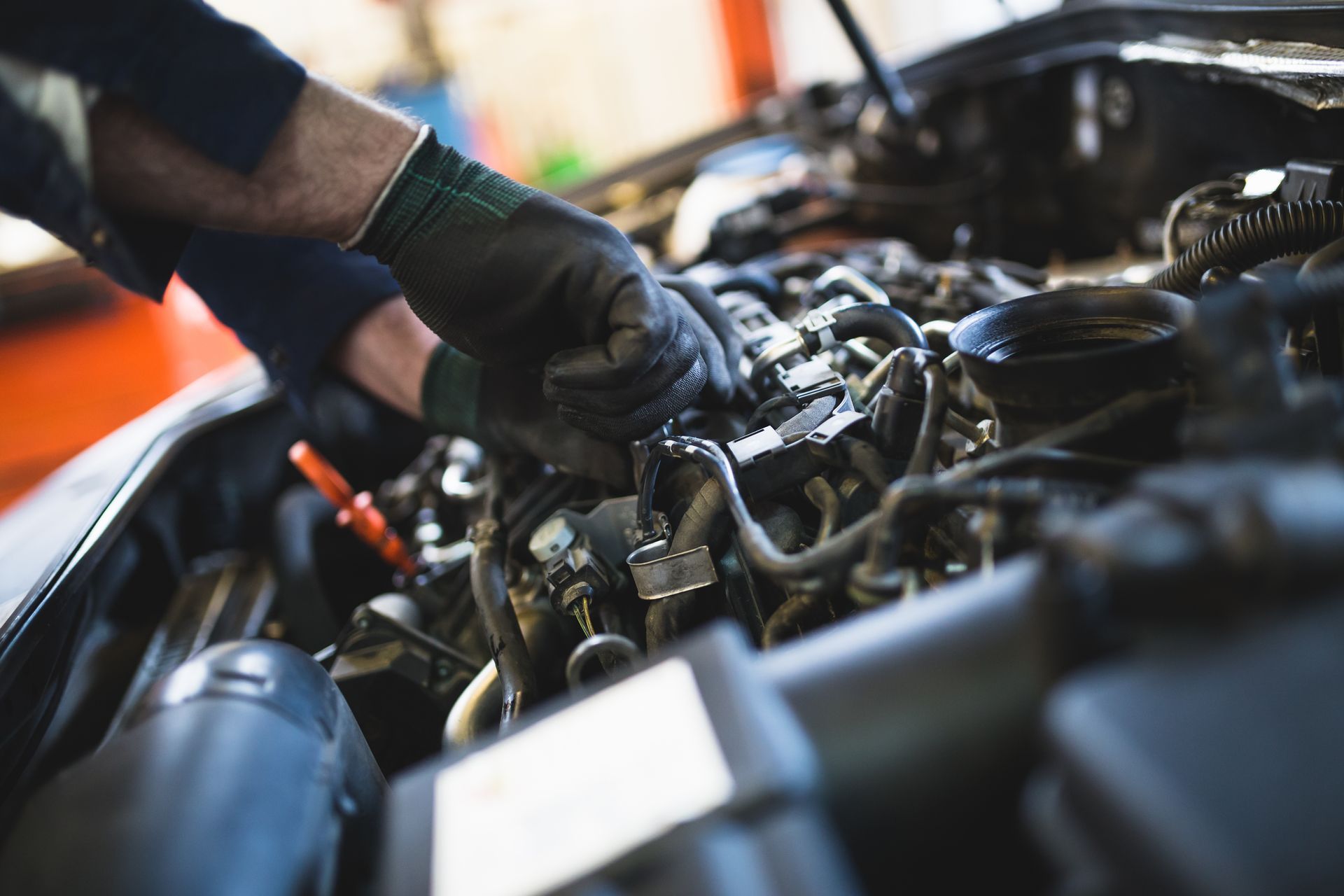
Luxury, comfort, smooth performance, and long-term reliability are some of the reasons drivers choose a Lexus. These vehicles are engineered with exceptional precision and backed by the legendary reliability of Toyota. Many Lexus models easily reach 200,000 miles or more when they are properly maintained. But that reliability is not automatic. Even the most well-engineered vehicle depends on consistent care and attention. Small maintenance habits can make the difference between a Lexus that runs beautifully for decades and one that develops expensive problems much earlier than expected. Understanding the key maintenance practices that protect long-term reliability will help you keep your Lexus performing like the luxury vehicle it was designed to be. Why Lexus Vehicles Last So Long Before diving into the maintenance secrets, it helps to understand why Lexus vehicles have such an excellent reputation. Engineers design Lexus models with tight tolerances, durable components, and refined powertrains. From engines and transmissions to suspension systems and electronics, the focus is always on longevity and smooth operation. However, these finely tuned systems depend on clean fluids, healthy components, and proper adjustments. Over time, wear naturally occurs. Maintenance ensures that this wear does not turn into bigger problems. Skipping maintenance might not cause immediate issues. But over thousands of miles, neglected services begin to affect reliability, fuel economy, and performance. The following maintenance habits help protect the qualities Lexus vehicles are known for. Regular Oil Changes Are More Important Than You Think Engine oil is the lifeblood of any vehicle. In Lexus engines, it plays an especially important role because these engines are designed with tight internal tolerances for efficiency and smooth performance. Oil performs several essential functions: Lubricates moving parts Reduces friction and heat Removes contaminants Protects internal components from wear Over time, oil breaks down and collects debris from normal engine operation. When oil becomes dirty or degraded, it cannot protect engine components effectively. Routine oil service is one of the simplest and most effective ways to protect long-term engine reliability. Transmission Service Can Help Prevent Major Repairs Your Lexus transmission delivers the smooth, seamless shifts that luxury drivers expect. But inside the transmission, dozens of moving components rely on clean transmission fluid. Transmission fluid performs several critical functions: Lubricating gears and bearings Cooling internal components Providing hydraulic pressure for shifting Over time, fluid begins to degrade and lose its protective properties. Contaminants from normal wear can also build up in the fluid. Some drivers assume transmission fluid lasts forever, especially if their vehicle has a sealed transmission system. In reality, periodic fluid service helps extend transmission life and prevent costly failures. Regular inspections allow technicians to monitor fluid condition and recommend service before problems develop. Cooling System Care Protects the Engine Modern Lexus engines run efficiently but also generate significant heat. The cooling system keeps engine temperatures within a safe operating range. Key cooling system components include: Radiator Water pump Thermostat Coolant hoses Engine coolant Coolant circulates through the engine and radiator, carrying heat away from critical components. Over time, coolant breaks down and loses its corrosion protection. Old coolant can allow internal rust or scale to form inside the cooling system. This can lead to overheating, water pump damage, or clogged radiator passages. Regular coolant service helps protect these components and keeps the engine operating at the proper temperature. If a cooling issue develops, it is important to address it quickly. Even one overheating incident can cause serious engine damage. Timing Belt Maintenance Can Prevent Catastrophic Damage Some Lexus engines use a timing belt to synchronize the rotation of the crankshaft and camshaft. This precise timing allows the engine valves and pistons to move in perfect coordination. However, timing belts wear gradually over time. If the belt fails while the engine is running, serious internal damage can occur. Most Lexus timing belts require replacement between 60,000 and 100,000 miles, depending on the model. Replacing the belt at the recommended interval prevents unexpected failure. During timing belt service, technicians often inspect related components such as the water pump, tensioners, and pulleys. Replacing worn parts during the same service can prevent additional repairs later. Brake System Inspections Can Keep Your Lexus Safe Lexus vehicles are known for quiet, responsive braking. This performance depends on properly functioning brake components. Key brake system parts include: Brake pads Brake rotors Brake calipers Brake fluid Brake pads naturally wear down with use. Over time, they must be replaced to maintain safe stopping performance. Waiting too long can damage the rotors, increasing repair costs. Brake fluid is also important. It absorbs moisture over time, which can reduce braking efficiency and contribute to corrosion inside the braking system. Routine brake inspections ensure that pads, rotors, and fluid remain in good condition. Catching wear early keeps the braking system operating safely and smoothly. Preventative Maintenance Protects Long-Term Value Lexus vehicles hold their value extremely well compared to many other luxury brands. One major reason is their reputation for reliability. However, that reputation depends heavily on consistent maintenance. Keeping up with preventative services provides several long-term benefits: Improved reliability Better fuel efficiency Reduced repair costs Higher resale value Better driving experience Maintaining service records also helps document that the vehicle has been properly cared for, which can make a big difference if you decide to sell or trade it later. Preventative maintenance is always less expensive than major repairs. Choosing the Right Repair Shop Matters Lexus vehicles require technicians who understand their engineering and service requirements. Specialized knowledge helps ensure that maintenance and repairs are performed correctly. From engine diagnostics to suspension adjustments, experienced technicians know how to keep Lexus systems operating at peak performance. Drivers in the Richmond area trust Wallace Automotive for expert service and honest advice. Since 1996, their team has helped thousands of customers keep their vehicles safe, reliable, and running smoothly. If your Lexus is due for service or if you simply want a professional inspection to ensure everything is operating correctly, the experienced team at Wallace Automotive is ready to help. Schedule your appointment with Wallace Automotive today and give your Lexus the expert care it deserves so it can continue delivering the reliability, comfort, and performance that made you choose it in the first place.
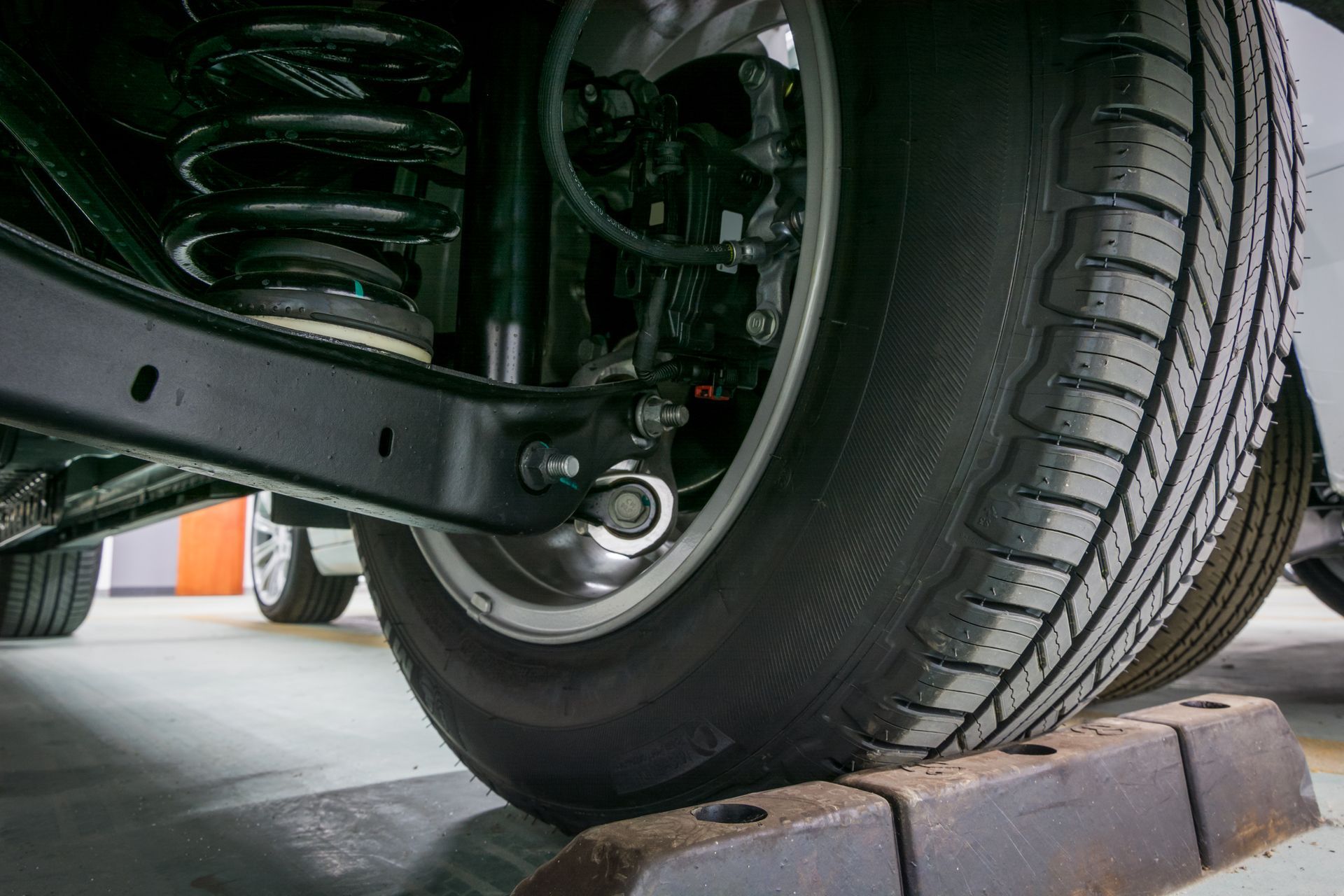
Most drivers have experienced it at least once. You’re heading to work, running errands, or packing up for a road trip when a warning light suddenly pops on. Maybe the car starts making a noise you have never heard before. A quick visit to the repair shop turns into an unexpected bill, a disrupted schedule, and a whole lot of stress. Here is the hard truth. Many of those expensive repairs could have been avoided. Preventative car maintenance is not just about keeping your vehicle running. It is about protecting your wallet, your time, and your peace of mind. When you understand how small, routine services prevent major failures, it becomes clear why proactive care always costs less than reactive repairs. Let us break down how preventative maintenance works, why it matters, and how it saves you real money over the life of your car. What Preventative Car Maintenance Really Means Preventative car maintenance refers to the routine services and inspections designed to catch problems early or stop them from happening at all. These are not repairs for something already broken. They are proactive steps that keep systems working the way the engineers intended. Common preventative maintenance services include oil changes, fluid checks, brake inspections, tire rotations, timing belt inspections, battery testing, cooling system checks, and suspension evaluations. Each service may seem minor on its own, but together they form a protective shield around your vehicle. Small Services Prevent Big Failures One of the biggest ways preventative maintenance saves money is by stopping minor issues from turning into catastrophic failures. Take engine oil as an example. Oil lubricates internal engine components and carries heat away from critical parts. Over time, oil breaks down and becomes contaminated. Skipping oil changes allows sludge to build up, which increases friction and heat. Eventually, that wear leads to engine damage. An oil change costs relatively little. Engine repairs or replacements can cost thousands. The same principle applies to cooling systems. A coolant flush and inspection helps prevent overheating. Ignoring coolant maintenance can result in warped cylinder heads or blown head gaskets, which are among the most expensive repairs any vehicle can face. Preventative maintenance works quietly in the background, keeping problems small and manageable. Brake Inspections Save More Than Just Money Brakes are a perfect example of how routine checks pay off. Brake pads are designed to wear out before more expensive components do. When pads are replaced on time, rotors often remain in good shape. If brake pads wear too thin, metal contacts metal. Rotors get damaged. Calipers can overheat. Suddenly, a basic brake service turns into a much larger repair. Regular brake inspections allow technicians to measure pad thickness, check brake fluid condition, and spot uneven wear. This approach keeps stopping distances short, improves safety, and reduces long term costs. At Wallace Automotive, our brake services focus on thorough inspections and clear communication so you understand exactly what your vehicle needs and why. Fluids Are the Lifeblood of Your Vehicle Modern vehicles rely on several different fluids to operate smoothly. Transmission fluid, brake fluid, power steering fluid, coolant, and differential fluid all play critical roles. Many drivers only think about oil changes, but neglected fluids can be just as damaging. Old transmission fluid loses its ability to lubricate and cool internal components. Brake fluid absorbs moisture over time, reducing braking performance and causing corrosion inside the system. Preventative maintenance includes checking fluid condition and replacing fluids at manufacturer recommended intervals. This simple step extends component life and helps prevent sudden failures that leave you stranded. Catching Warning Signs Before They Become Emergencies Preventative maintenance is not just about replacing parts. It is also about inspections. During routine service visits, experienced technicians look for early warning signs. Cracked belts, leaking seals, worn suspension components, and failing batteries often show subtle symptoms before they cause breakdowns. A battery test might reveal weakness before your car fails to start on a cold morning. A cooling system pressure test might uncover a small leak before it causes overheating. A suspension inspection might catch worn bushings before they affect steering control or tire wear. These inspections are a major reason preventative car maintenance saves money over time. Timing Belts Are a Perfect Example Timing belts deserve special attention because failure can be extremely costly. On many engines, a broken timing belt can cause internal engine damage when valves and pistons collide. Replacing a timing belt at the recommended interval is a classic example of preventative maintenance. The cost of replacement is predictable and far lower than the cost of engine repairs caused by belt failure. At Wallace Automotive, timing belt inspections and replacements are performed carefully and precisely, especially for Honda, Acura, Toyota, and Lexus vehicles where factory specifications matter. Preventative Maintenance Protects Resale Value Cars with documented maintenance histories consistently sell for more than neglected vehicles. Buyers feel more confident when they see regular oil changes, inspections, and recommended services completed on time. Preventative maintenance keeps your car running better, looking better, and lasting longer. That means when it is time to sell or trade in, you recover more of your investment. Even if you plan to keep your vehicle long term, higher resale value is a financial benefit worth considering. Building a Maintenance Plan That Works for You Every vehicle is different. Driving patterns, mileage, climate, and vehicle age all influence maintenance needs. A car that sees mostly highway driving may require different service intervals than one used for short city trips. The goal of preventative maintenance is not to overspend. It is to spend wisely. Working with a trusted repair shop allows you to prioritize services based on actual needs, not guesswork. Over time, this approach reduces surprises and spreads maintenance costs more evenly. The Long Term Payoff Preventative car maintenance is one of the smartest financial decisions a car owner can make. It reduces repair bills, extends vehicle life, improves fuel efficiency, enhances safety, and protects resale value. Most importantly, it gives you confidence every time you turn the key. If you are ready to stop reacting to car problems and start preventing them, the team at Wallace Automotive is here to help. With two convenient locations serving the greater Richmond community, we make it easy to keep your vehicle in top shape. Call today or book an appointment online to experience why generations of families trust us for honest advice, expert service, and dependable preventative maintenance that truly saves money in the long run.
Modern vehicles rely on electrical systems more than ever before. From starting your engine to powering safety features, infotainment screens, sensors, and driver assistance technology, electricity keeps everything working together. Hence, when something goes wrong, the symptoms can feel unpredictable and frustrating. A car that will not start, warning lights that appear out of nowhere, power features that suddenly stop working, or a battery that keeps dying are often signs of deeper electrical issues. Knowing what professional auto electrical repair involves helps you recognize problems early and avoid costly breakdowns. Why Auto Electrical Systems Matter More Than Ever Today’s vehicles contain dozens of computers and miles of wiring. These systems control engine performance, fuel efficiency, emissions, safety systems, and comfort features. When even one electrical component fails, it can affect how the entire vehicle behaves. Electrical problems often feel inconsistent. A car may start fine one day and fail the next. Warning lights may turn on and off. Accessories may work intermittently. These issues are rarely random. They are usually the result of voltage problems, failing components, damaged wiring, or communication errors between control modules. Proper electrical repair requires experience, training, and advanced diagnostic tools. Guessing or replacing parts without testing often leads to repeat visits and unresolved problems. Battery Testing and Replacement Services Why batteries fail sooner than expected A weak or failing battery is one of the most common causes of electrical problems. Batteries degrade over time due to heat, vibration, short trips, and age. Even a battery that looks fine can fail under load. Common symptoms include slow cranking, dim headlights, warning lights, or a complete no start condition. In many cases, the battery is blamed when the real issue lies elsewhere. Professional battery diagnostics matter Expert electrical repair includes proper load testing, inspection of terminals and cables, and verification that the battery meets the vehicle’s requirements. At Wallace Automotive, technicians make sure the battery is not just replaced, but supported by a healthy charging and starting system. Starter System Diagnosis and Repair How starter problems show up When you turn the key or press the start button and nothing happens, the starter system may be at fault. Symptoms include clicking noises, slow cranking, or complete silence. However, these same symptoms can be caused by weak batteries, faulty relays, wiring issues, or ignition problems. Accurate testing prevents unnecessary repairs Professional auto services involve testing the entire starting circuit before recommending repairs. This approach ensures the correct component is repaired or replaced, saving time and money. Alternator and Charging System Repairs What the alternator actually does The alternator powers your vehicle while the engine is running and keeps the battery charged. When it begins to fail, the battery drains quickly and electrical systems behave unpredictably. Signs of charging system problems include warning lights, flickering lights, strange electrical behavior, or stalling. Why professional diagnostics are essential Testing an alternator requires more than checking voltage. Technicians must measure output under load, inspect belts and wiring, and confirm proper communication with the vehicle’s computer. Wallace Automotive uses advanced testing methods to restore charging system reliability and protect sensitive electronics. Check Engine Light and Electrical Diagnostics What the light really means The check engine light signals that the vehicle’s computer has detected a fault. Many of these faults are electrical, involving sensors, wiring, or control modules. Ignoring the light or clearing it without diagnosis can lead to worsening problems and reduced performance. How proper diagnosis saves money Professional electrical repair involves retrieving fault codes, interpreting data, and testing components to confirm the cause. This process prevents unnecessary part replacement and ensures the issue is fully resolved. With extensive experience servicing Honda, Acura, Toyota, and Lexus vehicles, Wallace Automotive understands how these systems are designed and how to diagnose them accurately. Power Windows, Locks, and Interior Electronics Common accessory failures Power windows, locks, mirrors, seats, and infotainment systems rely on motors, switches, wiring, and control modules. When one part fails, it may seem like the entire system has stopped working. Why methodical testing matters Replacing switches or motors without testing can lead to wasted repairs. Expert auto services involve isolating the fault within the circuit so the correct repair is performed the first time. Lighting and Visibility System Repairs Electrical issues affect safety Headlights, brake lights, turn signals, and interior lighting are essential for safe driving. Flickering lights, repeated bulb failures, or warning messages often indicate electrical problems rather than simple bulb issues. Addressing the root cause Voltage irregularities, grounding faults, and wiring issues can all affect lighting systems. Professional electrical repair restores proper operation and ensures compliance with safety standards. Advanced Safety and Driver Assistance Systems Modern systems rely on electronics Lane departure warnings, adaptive cruise control, backup cameras, blind spot monitoring, and collision avoidance systems depend on sensors, wiring, and control modules working together. Why experience matters These systems require careful diagnostics and calibration. Wallace Automotive combines advanced tools with decades of experience to service these technologies correctly, maintaining safety and reliability. Wiring Repairs and Electrical Shorts The most challenging electrical problems Damaged wiring, corrosion, and electrical shorts often cause intermittent issues that are difficult to diagnose. These problems may be caused by moisture, age, rodent damage, or previous improper repairs. Precision diagnostics make the difference Tracing wiring faults requires patience and expertise. Professional electrical repair includes continuity testing, circuit inspection, and proper repair techniques to restore long-term reliability. Preventative Maintenance and Electrical Health How maintenance helps prevent failures Regular inspections allow technicians to catch early signs of electrical wear before they cause breakdowns. Battery testing, charging system checks, and wiring inspections reduce unexpected issues. Long-term savings through prevention Preventative maintenance lowers repair costs over time and improves vehicle reliability. It also provides peace of mind knowing potential problems are addressed early. Take Action Before Electrical Problems Get Worse Electrical issues rarely fix themselves. If your vehicle is showing warning lights, struggling to start, or experiencing electrical problems, now is the time to act. Call Wallace Automotive or book an appointment at our Southside or West End location today. Our expert technicians will diagnose the issue accurately, explain your options clearly, and get you back on the road with confidence.
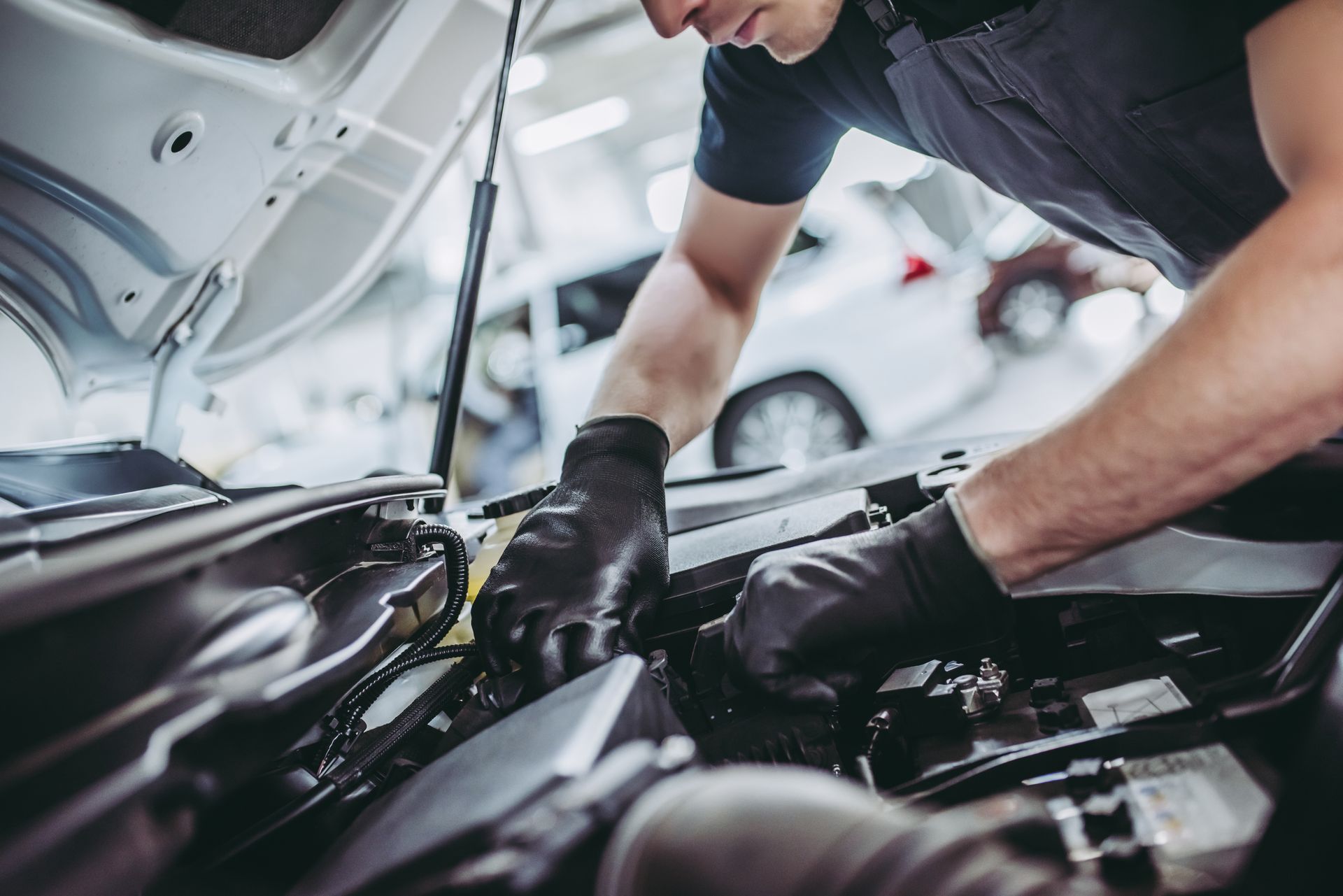
Your car’s suspension system might not get the attention it deserves, but it is one of the most important aspects of vehicle safety and comfort. The suspension system is responsible for keeping your ride smooth, ensuring your tires stay in contact with the road, and helping you maintain control in turns, on bumps, or during sudden stops. Ignoring suspension issues can lead to uneven tire wear, compromised handling, and even serious accidents. Knowing the warning signs and addressing them promptly with a professional inspection can save you time, money, and stress down the road. What Your Suspension Does Think of your suspension system as your vehicle’s shock absorber in more ways than one. It includes components such as springs, shock absorbers, struts, control arms, and bushings. Together, these parts manage the up-and-down movement of your car over road surfaces. A well-functioning suspension keeps your car level, maintains proper alignment, and contributes to even tire wear. When any part of the system starts to fail, the effects can be subtle at first but can quickly escalate. Most drivers notice signs of suspension problems before they result in a complete breakdown, which makes awareness key. Common Signs of Suspension Problems Being able to recognize early warning signs can help prevent bigger issues later. Here are some of the most common indicators that it’s time to schedule a professional suspension inspection: Uneven Tire Wear: Tires are meant to wear evenly. If you notice patches of uneven wear, it could be a sign that your suspension is not keeping your vehicle properly balanced. Worn shocks or struts, damaged control arms, or misaligned wheels can all cause uneven tire wear. Catching this early helps extend the life of your tires and prevents costly replacements. Vehicle Pulls to One Side: When driving on a flat road, your car should travel straight without you having to hold the steering wheel at an angle. If your car pulls to the left or right, it may be due to worn suspension components, misaligned wheels, or uneven tire pressure. This symptom is not only inconvenient but can be dangerous, especially at higher speeds. Excessive Bouncing or Swaying: After hitting a bump, your car should settle quickly. If it continues to bounce, sway, or lean excessively, your shocks or struts might be worn out. Suspension components are designed to absorb impact and keep your ride stable. A car that bounces excessively is a clear signal that a professional inspection is needed. Strange Noises While Driving: Clunking , rattling, or squeaking noises, particularly when going over bumps or turning corners, often point to a suspension problem. These sounds can indicate loose or worn components like bushings, ball joints, or control arms. Ignoring these noises can lead to more severe damage and even failure of critical parts. Difficulty Steering or Handling: A failing suspension system can affect steering response. If your steering feels heavy, sluggish, or inconsistent, it could indicate that your suspension needs attention. This is especially noticeable during turns or emergency maneuvers. Proper handling is crucial for safety, so don’t ignore any changes in steering behavior. Vehicle Leans to One Side: If your car appears to sit unevenly in your driveway or leans to one side while parked, the suspension may be uneven, or components may be damaged. This can happen due to broken springs or worn-out shocks. While it might seem minor, it is a sign of a compromised suspension system. Causes of Suspension Issues Suspension problems are often the result of wear and tear, but several specific causes can accelerate the issue: Potholes and rough roads – Repeated impacts can damage shocks, struts, and alignment. Overloading your vehicle – Carrying excessive weight can strain the suspension system. Corrosion or rust – Over time, moisture and road salt can weaken suspension components. Accidents or collisions – Even minor accidents can misalign or damage suspension parts. Being proactive and addressing these causes early can prevent larger, more expensive repairs. Why Professional Suspension Inspections Matter While some suspension issues may seem minor, ignoring them can compromise vehicle safety, tire life, and ride comfort. A professional inspection at a trusted auto repair shop can: Identify worn or damaged components before they cause major problems. Ensure proper alignment to improve tire life and handling. Restore vehicle stability for safer driving. Provide recommendations tailored to your specific make and model. At a professional auto repair shop, technicians can test your suspension with the proper tools, examine each component, and perform repairs efficiently and safely. This is particularly important for vehicles that are driven daily or carry heavy loads, as suspension problems can worsen quickly under stress. Maintaining Your Suspension Even after repairs, there are steps you can take to extend the life of your suspension system: Regular inspections – Schedule inspections according to your vehicle manufacturer’s recommendations or when you notice symptoms. Drive cautiously – Slow down over potholes, speed bumps, and uneven roads. Avoid overloading – Stick to the recommended weight limits for passengers and cargo. Keep tires properly inflated – This reduces unnecessary stress on shocks and struts. Replace worn parts promptly – Don’t wait until minor issues become major problems. Routine maintenance and prompt attention to warning signs are key to keeping your car comfortable, safe, and reliable. Time to Take Action If you notice any of the warning signs mentioned, it’s time to schedule a professional suspension inspection. Even if your car is driving fine, an annual check can catch early wear before it becomes a costly repair. Wallace Automotive has been helping Richmond drivers stay safe and confident on the road since 1996. With two convenient locations in Southside and West End, our team specializes in precision repairs for all makes and models, with a focus on Honda, Acura, Toyota, and Lexus. Don’t wait until a small suspension problem turns into a dangerous situation. Call Wallace Automotive today or book an appointment online to have your suspension inspected by our skilled professionals. Let us help keep your ride smooth, stable, and safe for every journey.
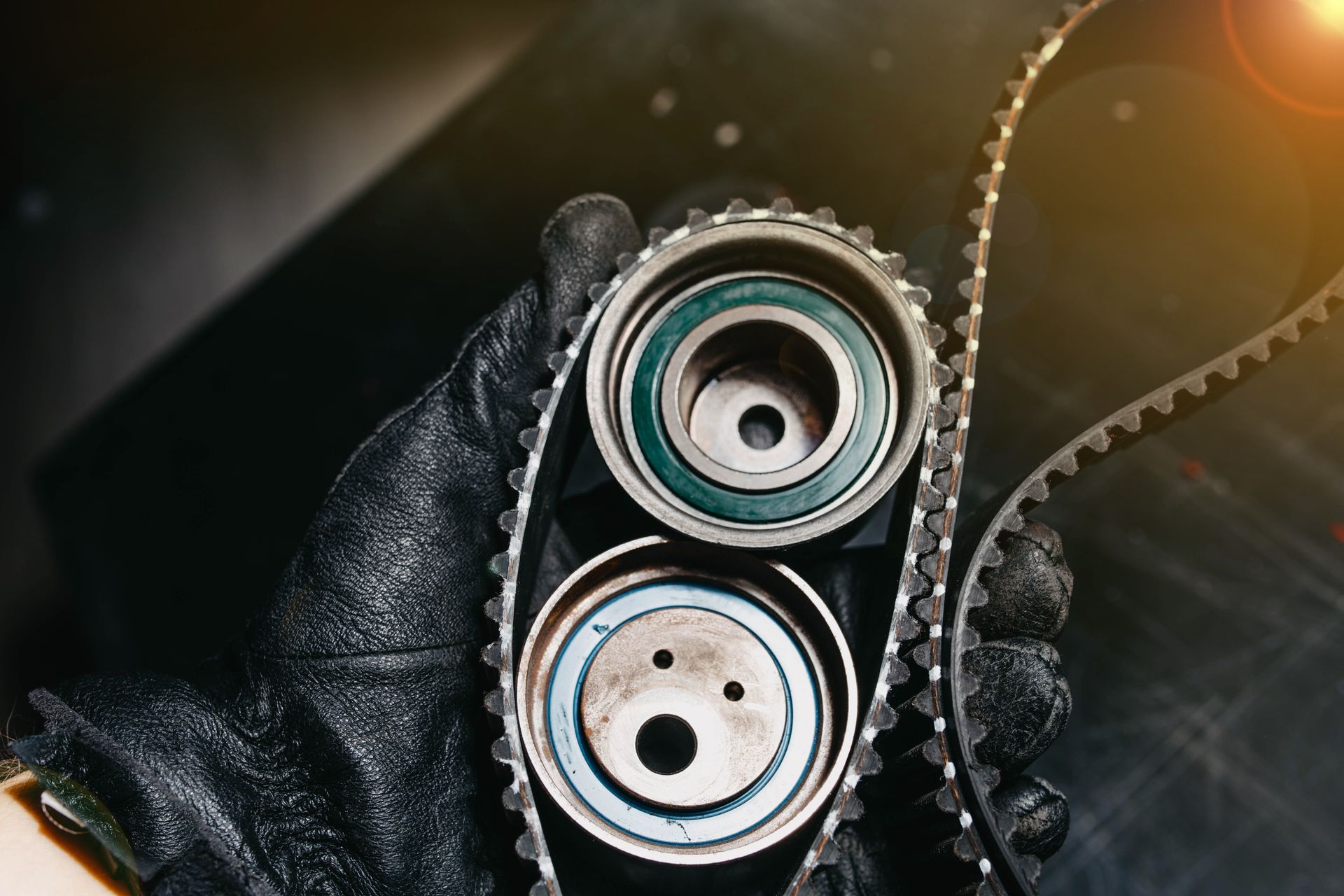
When it comes to car maintenance, many people focus on oil changes, tire rotations, and brakes, but one critical component often goes overlooked: the timing belt or timing chain. These parts play a vital role in your engine’s performance, and neglecting their maintenance can lead to serious, costly repairs. Understanding what timing belts and chains do, when they need attention, and how to maintain them can save you headaches down the road. What Are Timing Belts and Timing Chains? Your car’s engine is a finely tuned machine, with multiple components working in perfect synchronization. Among these, the timing belt or chain ensures that the engine’s camshaft and crankshaft rotate in sync. This synchronization allows the engine’s valves to open and close at the right time during each cylinder’s intake and exhaust strokes. A timing belt is made of reinforced rubber with high-strength fibers, while a timing chain is a metal chain similar to a bicycle chain. Both serve the same function, but timing chains are generally more durable and often last longer than belts. Some manufacturers equip their engines with belts, others with chains, and some newer models even feature hybrid systems. Regardless of type, both require maintenance to avoid serious engine damage. Why Timing Belt and Chain Maintenance Matters The timing belt or chain is critical because if it fails, the engine can suffer catastrophic damage. In an interference engine, a broken timing belt or chain can cause pistons to collide with valves, resulting in bent valves, damaged pistons, and potentially a ruined engine. Even in non-interference engines, failure can leave you stranded and facing expensive repairs. Regular maintenance ensures that your engine continues to operate efficiently, prevents breakdowns, and extends the overall lifespan of your vehicle. A well-maintained timing belt or chain contributes to smoother engine performance, better fuel economy, and peace of mind on the road. Signs Your Timing Belt or Chain May Need Attention Most timing belts have a recommended replacement interval, typically between 60,000 and 100,000 miles, though this varies by manufacturer and vehicle model. Timing chains generally last longer, often exceeding 100,000 miles, but they can stretch or develop wear over time. Knowing the warning signs of wear can help you avoid costly engine damage: Unusual Engine Noise – A rattling or ticking sound from the front of the engine can indicate a worn timing chain or a loose tensioner. Belts may also emit a slapping or squealing noise when they are close to failure. Engine Misfires – If the timing belt or chain is worn or has jumped a tooth, the engine’s timing is off. This misalignment can cause misfires, rough idling, or reduced power during acceleration. Oil Leaks – Timing chains are often lubricated by engine oil, so leaks near the timing cover may be a warning sign of a problem. Check Engine Light – Modern vehicles have sensors that monitor engine timing. If the check engine light comes on, it may indicate a timing issue that needs immediate inspection. Difficulty Starting the Engine – A stretched or worn timing chain or belt can prevent the engine from starting properly, especially after sitting idle. Timing Belt Replacement: What You Need to Know Timing belt replacement is a preventive maintenance task. Ignoring it can lead to sudden engine failure, often without warning. When replacing a timing belt, it’s common for mechanics to also replace related components like tensioners, pulleys, and water pumps. These parts often share the same service interval, so replacing them together saves time and prevents future issues. It’s important to follow your vehicle manufacturer’s recommended schedule for timing belt replacement. Even if your belt looks fine on the surface, the internal fibers can degrade over time. Age and mileage both affect a belt’s lifespan, making adherence to the maintenance schedule crucial. Timing Chain Maintenance: Don’t Assume It’s Indestructible Timing chains are generally more durable than belts, but they are not maintenance-free. A chain can stretch or wear out, leading to poor engine timing and performance issues. A failing timing chain may produce rattling noises, difficulty starting, or even a sudden loss of power. Chain maintenance often involves regular oil changes and using the recommended engine oil type. Dirty or low-quality oil can accelerate wear on the chain and its tensioners. In some cases, a worn chain may need to be replaced along with the timing gears or guides, which can be more expensive than a belt replacement but still much cheaper than a full engine rebuild. Preventive Maintenance Tips for Timing Belts and Chains Follow Your Vehicle’s Schedule – Consult your owner’s manual for manufacturer recommendations on timing belt or chain replacement. This schedule is based on years of engineering and testing. Regular Oil Changes – Clean oil helps maintain chain lubrication and prevents premature wear. Using the correct oil type is essential, especially for vehicles with timing chains. Listen and Observe – Be attentive to engine sounds, changes in performance, or the appearance of leaks. Early detection often prevents major repairs. Professional Inspections – Have a trusted mechanic inspect the timing components during routine maintenance. Mechanics can identify issues like belt cracks, chain stretching, or worn tensioners before they become critical. Replace Supporting Components – If replacing a belt or chain, consider replacing tensioners, pulleys, or water pumps at the same time. This approach prevents uneven wear and avoids repeated labor costs. Why Professional Service Matters Timing belt and chain replacement is a complex task requiring specialized tools and experience. Incorrect installation can result in severe engine damage, so it’s not a job for casual DIYers. At Wallace Automotive, our certified technicians specialize in precise repairs for Honda, Acura, Toyota, Lexus, and most other makes and models. We use OEM-quality parts and follow manufacturer procedures to ensure your engine remains in perfect timing and your vehicle runs reliably. Our Richmond locations make it easy for local drivers to get expert timing belt and chain service. We pride ourselves on clear communication, honest advice, and exceptional craftsmanship, so you can drive with confidence knowing your car is in expert hands. Proper timing component maintenance is one of the most important steps in protecting your engine. Don’t wait for a warning light or a breakdown. Schedule your inspection or replacement today to keep your car running smoothly and avoid expensive repairs in the future. Your car’s engine deserves the care and attention that comes from decades of experience. Contact Wallace Automotive at our Southside or West End location to have your timing belt or chain checked, replaced, or maintained by professionals who treat every vehicle like their own.
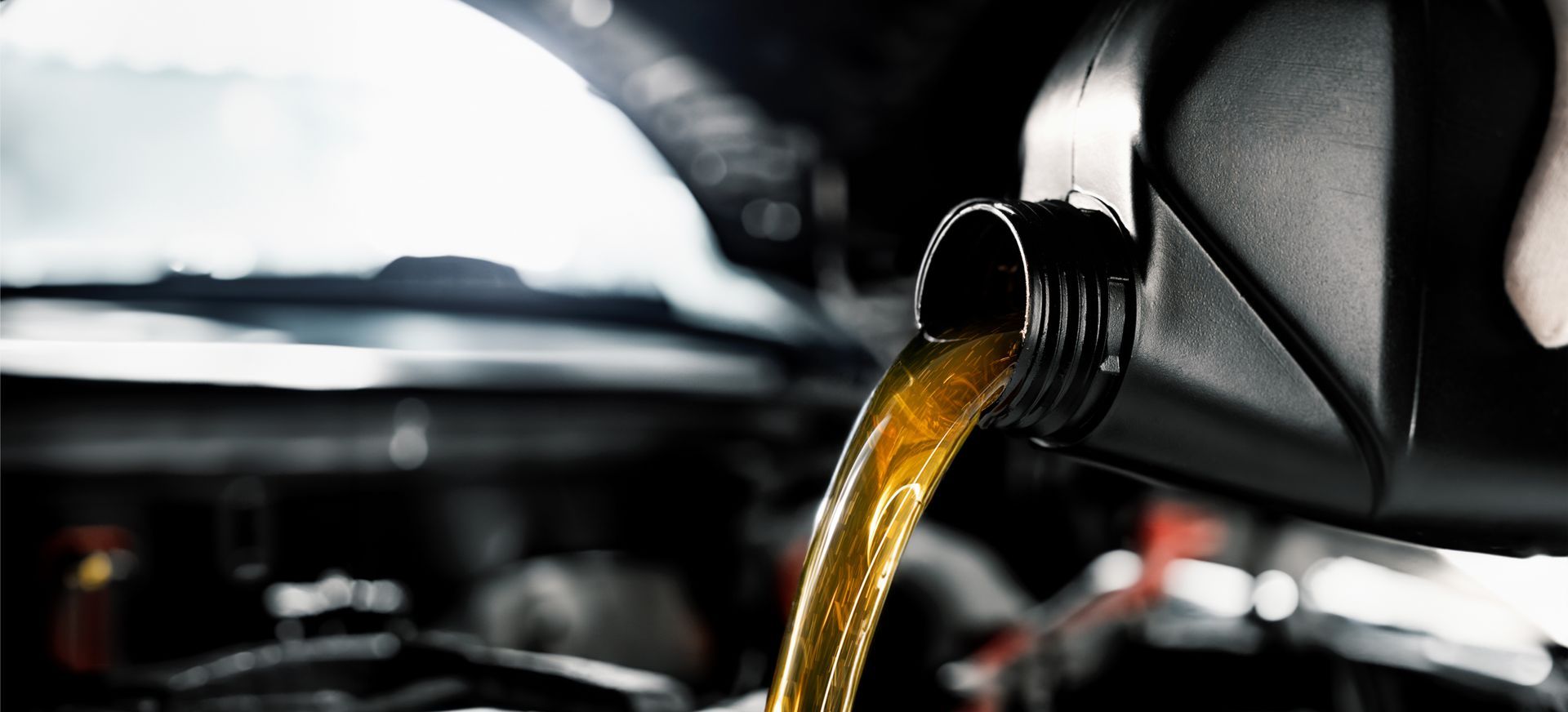
Your vehicle’s engine is the heart of your car. It works tirelessly, powering every turn, stop, and mile you drive. However, just like the human heart, it needs consistent care to keep running efficiently. One of the simplest yet most powerful ways to protect your engine is through routine oil changes. While it might seem like a small task, this basic maintenance step can dramatically improve engine performance, fuel efficiency, and the overall longevity of your vehicle. Why Oil Matters More Than You Think Engine oil is more than just a lubricant. It plays several crucial roles in keeping your vehicle healthy: Lubrication: Engine parts move at incredibly high speeds and generate friction. Oil reduces this friction, preventing wear and tear on critical components like pistons, crankshafts, and camshafts. Cooling: While your radiator helps regulate overall engine temperature, oil carries heat away from engine components, helping prevent overheating. Cleaning: Engine oil picks up dirt, metal particles, and other contaminants that accumulate during operation, keeping the engine clean and reducing the risk of corrosion. Sealing: Oil helps seal gaps between engine components, which improves compression and overall performance. When oil becomes old, dirty, or low, it loses its ability to perform these functions. Over time, this can lead to reduced performance, higher fuel consumption, and even serious engine damage. How Regular Oil Changes Enhance Engine Performance Routine oil changes directly impact how well your engine runs. Here’s how: Smoother Operation: Fresh oil ensures that every moving part glides efficiently. This reduces friction, noise, and wear, resulting in a smoother driving experience. Better Fuel Efficiency: When an engine is properly lubricated, it works more efficiently. Reduced friction means the engine doesn’t have to work as hard to move the vehicle, improving fuel economy. Consistent Power Delivery: Dirty or degraded oil can slow down engine response. Fresh oil maintains proper viscosity, helping your engine deliver consistent power every time you accelerate. Reduced Engine Deposits: Over time, old oil can leave behind sludge and deposits that impede performance. Regular oil changes flush out these contaminants, keeping internal engine components clean and operating optimally. Drivers often notice these benefits immediately after an oil change. The engine feels more responsive, idles more smoothly, and even accelerates more efficiently. Longevity Starts With Lubrication An engine that is well-lubricated from regular oil changes is an engine built to last. Engines that run on old or low-quality oil face higher friction, heat, and wear, which accelerates component failure. Regular oil changes help prevent: Engine Overheating: Fresh oil circulates more effectively, carrying heat away from critical areas. Overheating can warp engine components, leading to costly repairs. Premature Wear: Parts like camshafts, pistons, and bearings rely on consistent lubrication. Without it, they wear out faster. Sludge Buildup: Sludge restricts oil flow, reducing efficiency and increasing the risk of engine damage. By changing your oil according to your manufacturer’s recommended schedule, you protect your engine against these issues, helping your vehicle last longer and perform better over time. Choosing the Right Oil Not all oils are created equal. Using the right type of oil for your vehicle is just as important as changing it on schedule. Factors to consider include: Viscosity: Check your owner’s manual for the recommended oil grade. Using oil with the correct viscosity ensures proper flow and protection. Synthetic vs. Conventional: Synthetic oils often provide superior protection, resist breakdown longer, and perform better in extreme temperatures. Conventional oils are still effective but may require more frequent changes. Quality Filters: A high-quality oil filter works alongside the oil to trap contaminants and maintain engine cleanliness. Don’t skip on quality when replacing your oil filter. At Wallace Automotive, we use premium oils and filters suited to each vehicle’s specific needs, especially for Honda, Acura, Toyota, and Lexus vehicles. Our technicians can advise on the best options to keep your engine performing at its best. Signs Your Engine Needs Attention Even with routine maintenance, it’s important to pay attention to warning signs that indicate your engine might be stressed: Check Engine Light: This can signal oil-related issues or other mechanical problems. Unusual Engine Noise: Knocking, ticking, or loud idling may indicate low oil or degraded lubrication. Dark or Dirty Oil: Regularly checking your dipstick can help you catch oil degradation before it causes damage. Excessive Exhaust Smoke: Oil leaks or burning oil can affect performance and indicate underlying engine issues. Addressing these signs promptly, along with routine oil changes, can prevent major repairs and keep your car running reliably. Additional Benefits of Routine Oil Changes Beyond performance and longevity, regular oil changes also offer: Peace of Mind: Knowing your engine is protected helps you drive confidently. Resale Value: A well-maintained engine keeps your vehicle’s value higher over time. Fewer Unexpected Repairs: Preventive maintenance reduces the likelihood of costly breakdowns. Make It Part of Your Maintenance Routine Routine oil changes are a simple step with a big payoff. By keeping your engine lubricated, clean, and running efficiently, you protect one of your vehicle’s most valuable components. Skipping oil changes can lead to decreased performance, higher fuel costs, and expensive engine repairs down the line. At Wallace Automotive, we make it easy to stay on schedule. With two convenient locations in Richmond and over 30 years of experience, our team is ready to help you maintain your car, improve performance, and extend its lifespan. Whether you drive a Honda, Acura, Toyota, Lexus, or another vehicle, our certified technicians provide honest, high-quality service you can rely on. Call Wallace Automotive today or stop by one of our Richmond locations to schedule your next oil change. Keep your engine running smoothly, your vehicle performing at its best, and enjoy the peace of mind that comes with expert care.
Your car is a complex machine built with precision and care, designed to keep you safe and moving smoothly every day. But even the most reliable vehicles, from Honda and Toyota to Acura and Lexus, can develop issues over time. Ignoring warning signs can lead to costly repairs or leave you stranded when you least expect it. At Wallace Automotive, we specialize in keeping cars performing their best while providing transparent, expert service. Here are the top five signs your car needs professional attention before it’s too late. 1. Unusual Noises That Won’t Go Away Cars can be noisy machines, but there’s a difference between normal operational sounds and warning signals. Grinding, squealing, knocking, or rattling noises should never be ignored. Brake squeals may indicate worn brake pads, while grinding sounds could mean the rotors are damaged. Engine knocking could suggest low oil pressure or failing internal components. Even a faint rattle in the suspension might indicate worn shocks or struts. Pay attention to where the noise is coming from and under what conditions it occurs. Documenting this information can help a technician quickly diagnose the problem. Early attention can prevent minor issues from turning into major repairs, saving you time and money. 2. Dashboard Warning Lights Modern cars come equipped with sophisticated monitoring systems, and dashboard warning lights are designed to alert you to problems before they escalate. The check engine light is the most common and can signal anything from a loose gas cap to serious engine trouble. Other lights, such as the battery warning, oil pressure, ABS, or tire pressure indicators, also require immediate attention. Never ignore a warning light. Even if your car seems to drive normally, a light often points to an underlying issue that could worsen over time. At Wallace Automotive, our technicians use advanced diagnostic tools to identify the root cause and recommend the right repair solution. 3. Poor Handling or Driving Performance If your car doesn’t feel like it used to on the road, it’s time to investigate. Pulling to one side while driving, a loose or vibrating steering wheel, or uneven braking can all indicate problems with alignment, suspension, brakes, or tires. Worn suspension components or misaligned wheels can not only affect handling but also increase tire wear and reduce fuel efficiency. Ignoring these signs could compromise your safety and turn routine driving into a risky experience. Scheduling a professional inspection ensures your car maintains the stability and control engineers intended. 4. Leaks or Strange Smells Spotting a puddle under your car or noticing unusual smells while driving is a clear sign that something is wrong. Fluids: Oil, coolant, brake fluid, transmission fluid, or power steering fluid leaks can all signal serious mechanical problems. Even a small leak can cause significant damage over time if left unaddressed. Odors: A burning smell can point to electrical issues, overheated brakes, or oil leaking onto hot engine components. A sweet smell may indicate a coolant leak, while a fuel odor could signal a gas leak. Any persistent leak or unfamiliar smell is a reason to schedule an immediate inspection. Our experts at Wallace Automotive can trace the source, repair the issue, and prevent further damage to your vehicle. 5. Declining Fuel Efficiency You might not notice it immediately, but if your car is suddenly guzzling more fuel than usual, it could be a sign of an underlying mechanical issue. Decreased fuel efficiency may result from problems such as: Dirty or failing fuel injectors Worn spark plugs Malfunctioning oxygen sensors Tire pressure issues Transmission or engine inefficiencies Addressing these issues promptly not only improves gas mileage but also prevents long-term damage to your engine and transmission. At Wallace Automotive, we use precise diagnostics to identify efficiency problems and restore your car’s performance. Why Acting Early Matters Catching issues early can save you thousands of dollars and prevent the stress of unexpected breakdowns. Regular inspections, routine maintenance, and timely repairs are critical to extending your car’s lifespan and maintaining its reliability. Even routine maintenance tasks, such as oil changes, tire rotations, and brake inspections, play a role in preventing major problems. A small investment in preventive care today can avoid costly repairs tomorrow. If you’ve noticed any of these warning signs in your car, don’t wait for the problem to worsen. Stop by one of our Richmond locations today or give us a call to schedule a comprehensive inspection. Protect your vehicle, your safety, and your peace of mind with trusted service that has served generations of drivers.
Owning an Acura comes with the pride of driving a reliable, high-performance vehicle. However, maintaining that reliability and performance requires regular care and attention. If you drive an Acura in the Greater Richmond area, regular maintenance is the key to keeping it running like new—and Wallace Automotive is here to help. Let’s take a closer look at the essential maintenance practices that protect your Acura’s performance, safety, and value. Follow Your Acura’s Maintenance Schedule Your Acura’s maintenance schedule isn’t just a suggestion; it’s a roadmap to long-term reliability. Each service interval is based on mileage and time, ensuring every part of your vehicle gets attention when it needs it. Oil changes, tire rotations, brake inspections, and fluid checks may seem routine, but they’re the foundation of a smooth, dependable ride. Skipping these small steps can lead to big problems down the road. How the Maintenance Minder System Helps Acura’s Maintenance Minder System takes the guesswork out of service. It monitors your driving habits and alerts you when it’s time for maintenance. For instance, if you often drive in stop-and-go traffic, the system might prompt you for more frequent oil changes. Paying attention to these alerts helps you prevent wear and avoid costly repairs, keeping your vehicle in peak condition year-round. Keep Fluids Fresh and Full Fluids are your Acura’s lifeblood. They cool, lubricate, and protect vital systems. Regular checks and timely replacements help your engine, brakes, and transmission perform at their best. Engine Oil: Fresh oil reduces friction and heat buildup. Check your oil monthly and use the recommended type to keep your engine running efficiently. Transmission Fluid: Replace your vehicle’s transmission fluid every 30,000–60,000 miles to prevent gear slippage or overheating. Brake Fluid: Change your Acura’s brake fluid every two years to maintain firm, reliable stopping power. Take Care of Your Tires Your tires connect your Acura to the road, so keeping them in shape is crucial for safety and efficiency. Rotations and Alignments: Rotate your tires regularly and schedule an alignment every year—or sooner after hitting a pothole or curb. This prevents uneven wear and improves handling. Pressure and Tread Depth: Check tire pressure monthly and inspect the tread for wear. Properly inflated tires improve fuel economy and traction, especially during Richmond’s rainy seasons. Don’t Neglect Your Brakes Healthy brakes are essential for safe driving. Watch for squealing, grinding, or a soft pedal—these are signs it’s time for an inspection. Most brake pads last 25,000 to 50,000 miles, depending on driving habits. Rotors and calipers can last longer, but still need regular checks. Catching wear early prevents expensive repairs and ensures your Acura stops with confidence. Check Your Battery and Electrical System A strong battery and reliable electrical system keep your Acura ready to go in any weather. Inspect battery terminals for corrosion and ensure connections are tight. If your headlights dim or your vehicle hesitates to start, don’t ignore it—these could be signs of a weak battery or charging issue. Also, check that all lights, including headlights, brake lights, and indicators, are working properly. It’s an easy way to stay safe and avoid unnecessary fines. Adjust for the Seasons Richmond’s changing seasons can be tough on your car. Preparing ahead helps your Acura handle anything the weather brings. Winter: Top off antifreeze, test your battery, and consider switching to winter tires for better traction on icy roads. Summer: Check your air conditioning and replace worn wiper blades. Hot days and sudden storms can test your car’s systems in different ways. Why Choose Wallace Automotive At Wallace Automotive, our team understands what makes your Acura special. With convenient locations in Southside and West End, we provide expert maintenance that keeps your vehicle performing at its best. We pride ourselves on transparent pricing, honest recommendations, and top-tier service so you always know your Acura is in good hands. Schedule Your Service Today Give your Acura the care it deserves. Contact Wallace Automotive today to book your next service appointment and keep your vehicle running smoothly for years to come.